
Precision Aluminum Enclosures, Extruded and CNC-Machined in One Shop
Shenzhen-based manufacturer of custom aluminum enclosures and precision parts for consumer electronics, new energy, smart home, optical communication and medical devices. ±0.01 mm CNC accuracy, 0.3 mm minimum wall thickness, tooling in 4–5 days.
- ±0.01 mmCNC machining accuracy
- 0.3 mmMinimum wall thickness
- 30–50%Lower batch cost than machining from solid

- Alloy
- 6063 / 6061 / 6005A, T5 & T6
- Process
- Extrusion + CNC in-house · precision machining quoted by the same team
- Finish
- Anodizing, 180# bead blast, brushing, powder coat
- Lead time
- Tooling 4–5 days · Sample about 7 days
Extruded + Machined. Machined from Solid. Die Cast. Only One Is Built for Batch Cost and Strength.
There are three ways to make an aluminum housing. They are not interchangeable, and the cheapest quote is rarely the cheapest part. Here is the honest version.
6063 Extrusion + CNC
Near-net shape, then machined only where it matters
- Near-net shape: the profile already carries the wall, the fins and the bore
- About 90% less material cut away than milling the same part from solid
- ±0.01 mm on machined features, ±0.05 mm on the profile section
- Walls down to 0.3 mm without porosity or fill problems
Batch cost vs. solid billet: 30–50% lower
CNC from solid billet
Accurate, but you pay to turn metal into chips
- Accurate on any geometry, including deep 3D pockets
- Most of the billet becomes swarf — you buy the material you remove
- Cost scales with removal volume, so unit price barely falls at volume
- Slow per part on large housings; wall thickness below 0.5 mm needs special care
Cost driver: material removed per part
Die casting
Cheap at volume if ±0.1 mm and 1 mm walls are enough
- Low unit cost once the die is amortised over large volumes
- Porosity is inherent to the process — leaks and weak sections follow
- ±0.1 mm class accuracy and 1 mm+ walls rule out thin, tight-fit parts
- Long die lead time and high tooling cost before the first good part
Constraint: porosity and minimum wall
Extrusion plus machining is the route we are built around, and for most housings it is the cheapest way to hold a thin, even wall. We also quote and manage die casting, forging and stamping, and precision machining in steel, stainless steel, brass, copper, titanium and engineering plastics — because sometimes that is the right route for your part, and telling you so costs us one order but saves you a tooling budget.
Compare the Three ProcessesCustom Aluminum Parts We Manufacture
Two routes, one engineering team. Every aluminum part below starts from an extruded 6063 or 6061 profile and is machined, finished and inspected in the same facility; non-aluminum machined parts run through the same team on a precision machining route.
Aluminum Enclosures
Appearance and structural housings for devices, machined to ±0.01 mm fits.
View the enclosure pageCustom Aluminum Profiles
Your cross-section, extruded to ±0.05 mm with a 0.3 mm minimum wall.
Quoted per drawing
Precision CNC Parts
Machined features, bores, threads and sealing faces on extruded blanks.
Quoted per drawingAluminum Heat Sinks
Integrated fins at 3–6 mm pitch, extruded with the body instead of added later.
Quoted per drawingFrom Drawing Review to Delivered Parts
Four steps, each with a deliverable you can check before the next one starts.
-
Drawing Review & DFM
We read the drawing before we price it: tolerance stack, wall thickness, draft and parting line, and whether the part should be extruded at all.
- CAD and 2D review
- Wall thickness and draft check
- Process route proposal
About 1 day
-
Tooling & First Article
The die is designed and cut, then a first sample is run and measured before you commit to production quantities.
- Die design in 4–5 days
- First sample in about 7 days
- Dimensional report with the sample
4–5 days
-
Extrusion & CNC Production
Two automated lines run the profile; machining brings features to tolerance, with stress relief between operations to stop thin walls moving.
- 2 automated extrusion lines
- Near-net profiles
- Machining to ±0.01 mm
Per schedule
-
Finishing, Inspection & Delivery
Bead blast and anodizing, then dimensional and appearance inspection, then export packing that survives the freight.
- 180# bead blast anodizing
- Dimensional and visual inspection
- Export packing
As fast as 24 h after sample approval
Six Reasons Buyers Keep Coming Back
Each row is a commitment you can hold us to on the next order.
One Supplier, Two Processes
Extrusion and machining under one roof, so nobody hands your part to a second vendor halfway through.
1 supplier, 0 hand-offsCost Falls as Volume Rises
Near-net profiles remove machining volume from the equation — the saving is in the route, not in a discount.
30–50% lower vs. solid billetThin Walls Without Deflection
Rigid fixturing, staged cutting and stress relief between operations keep 0.3 mm walls where the drawing put them.
0.3 mm minimum wallTolerances That Hold in Production
Bore and OD held to ±0.04 mm, on the parts we run every week.
±0.04 mm bore and ODFast From Tooling to Sample
The die lands in 4–5 days and the first sample follows in about a week, so your schedule does not wait on us.
4–5 day tooling · 7 day sampleEngineers on the Other End
Drawing reviews are answered by the people who run the process. Our founding team brings 20 years of extrusion experience and 10+ years of machining experience, and replies are in English, not translated boilerplate.
20 years of extrusion · 10+ years of machiningMaterials, Finishes and Tolerances
The three questions every drawing review starts with — answered with the numbers we hold in production.
Alloys
- 6063-T5 / T6 — default for housings and heat sinks
- 6061-T6 — structural parts and machined brackets
- 6005A — larger sections and stiffer profiles
- Custom alloy on request
Finishes
- Anodizing: clear, black, custom color
- 180# bead blast without polishing
- Sand blast, brushing
- Powder coating, laser marking
Tolerances and capability
- CNC machining ±0.01 mm
- Profile cross-section ±0.05 mm
- Wall thickness capability ±0.02 mm
- Bore and OD ±0.04 mm
Parts and Sections We Manufacture
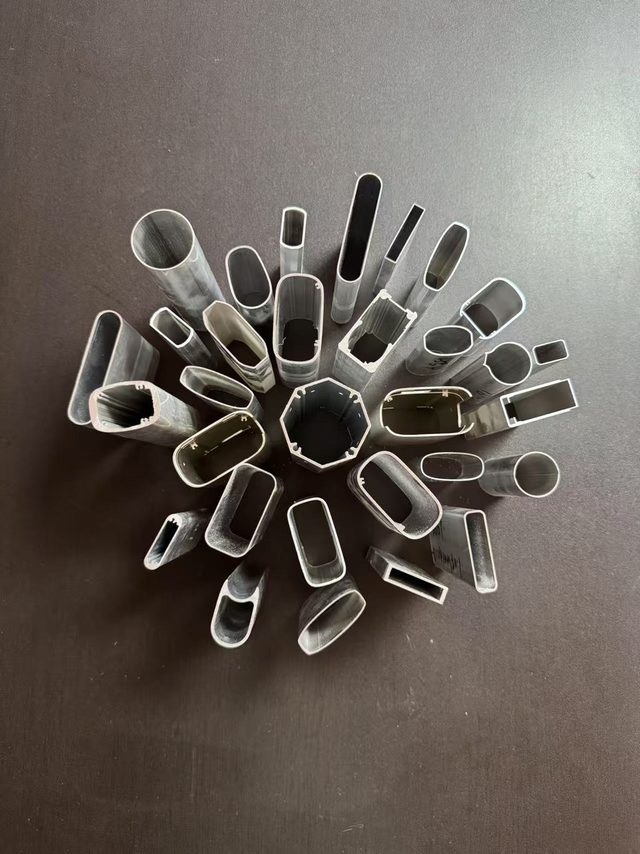
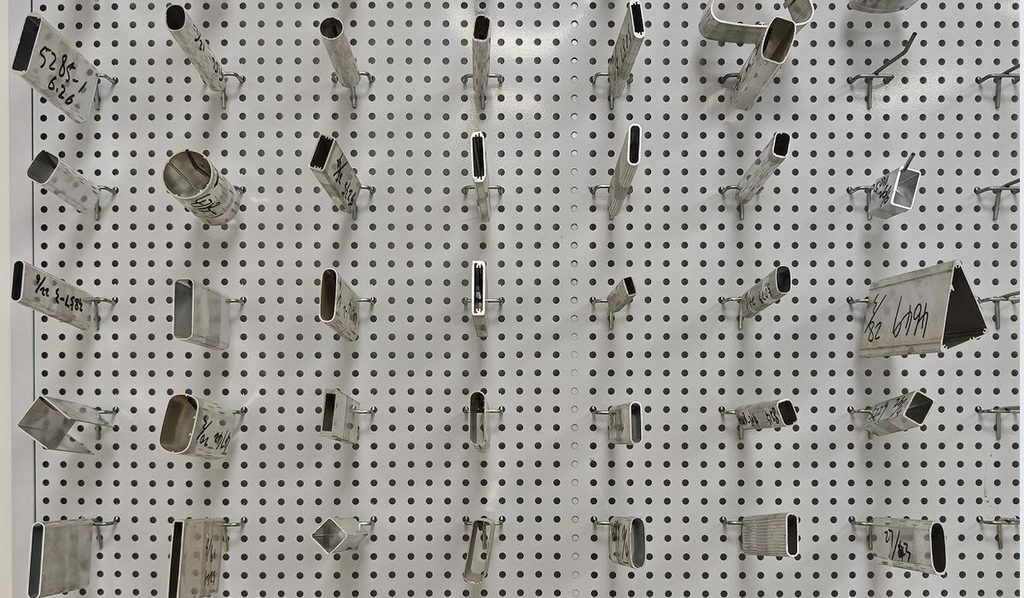
Photographs from our own production: extruded sections, thin-wall housings, finished tubes and the dies that form them. Client names are withheld, and we do not publish a customer's part without permission.
-
Extruded sections 6063 and 6061, formed in the die
-
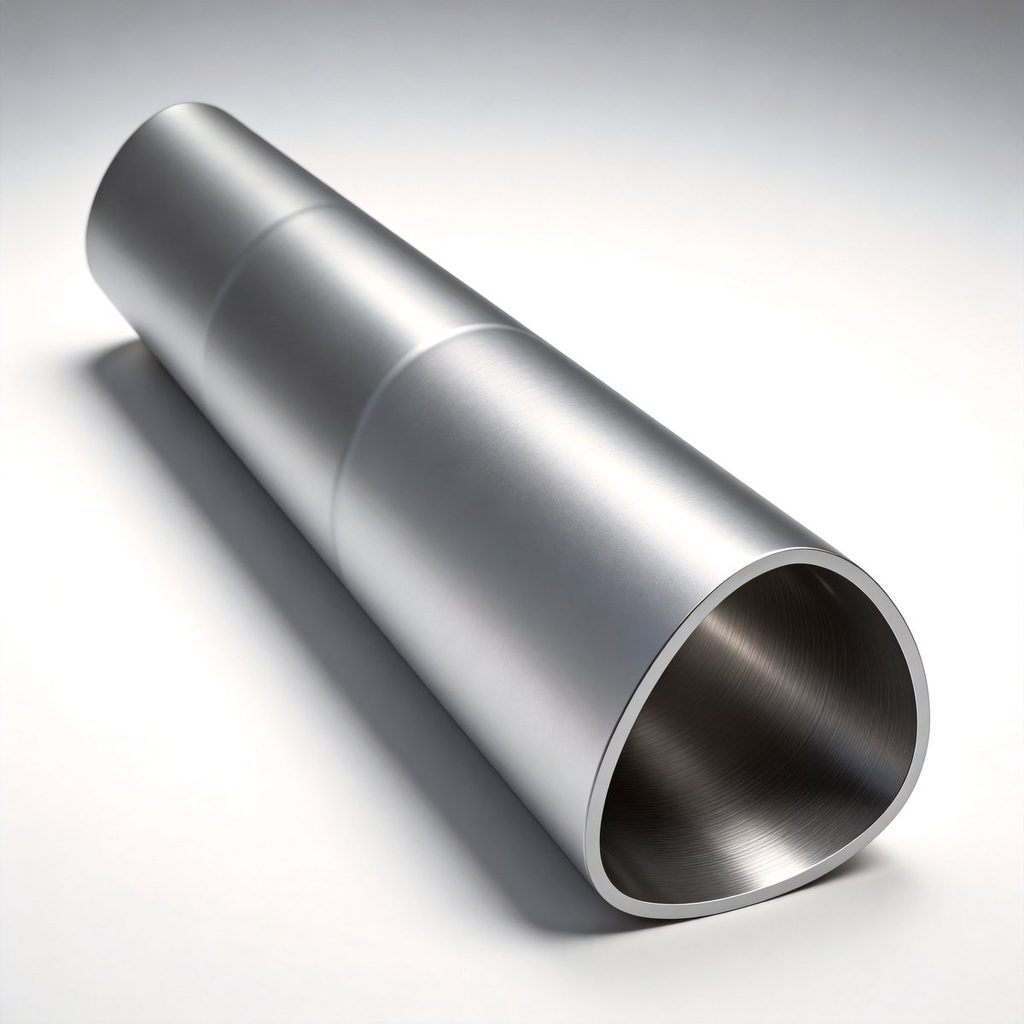
Clear anodized tube Machined ends, chip-approved finish
-
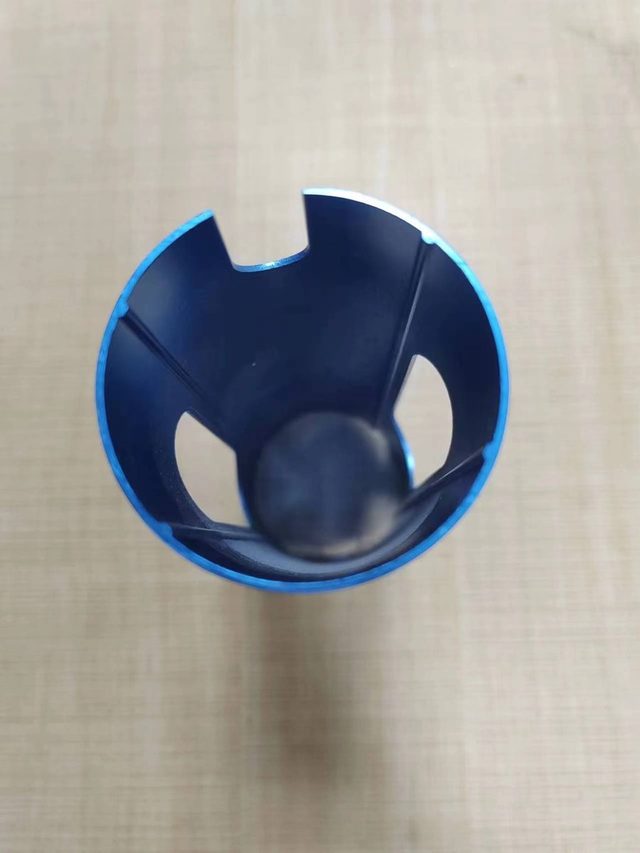
Blue anodized section Colour approved on a chip
-
Thin-wall housing 0.3 mm wall formed in the die
-
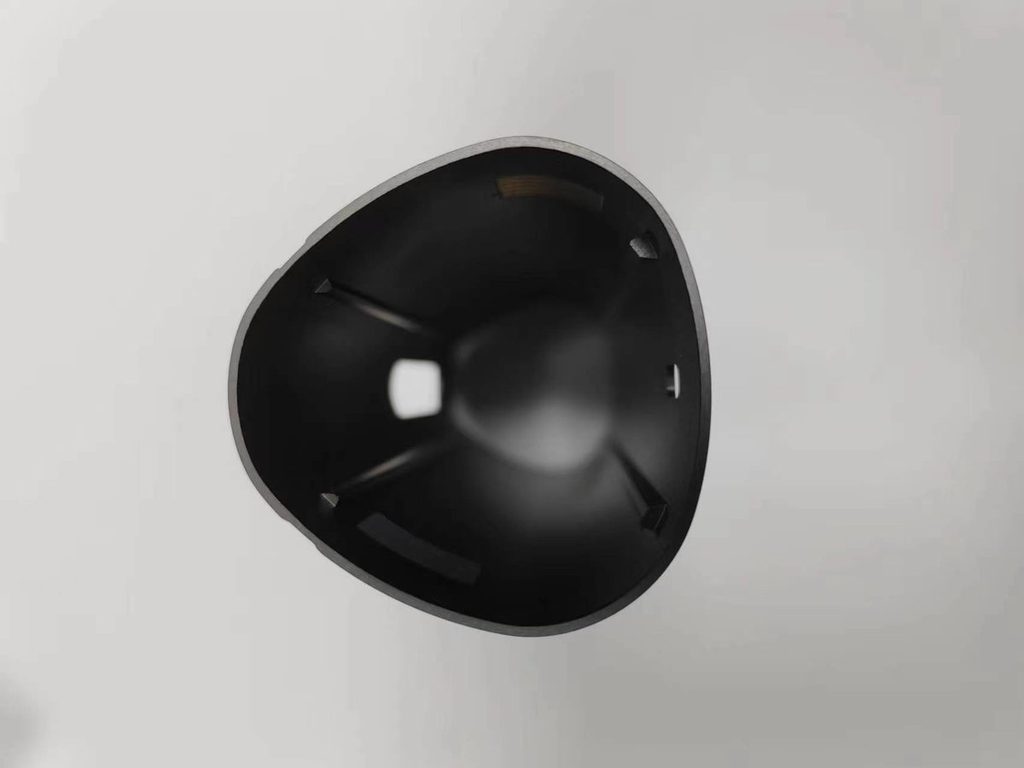
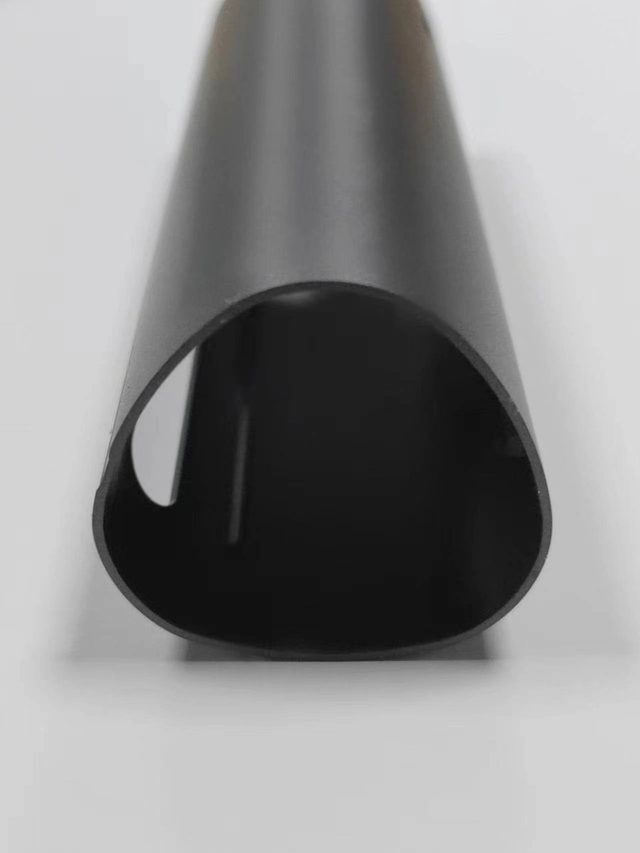
Black anodized tube Matte finish, consistent tone
-
Extrusion dies One tool per section we run


More part photography is being added — anodizing line, inspection area, tool room and packing. If you want to see a specific part family, ask and we will send current samples.
Aluminum Parts for Five Industries
Each industry has one number that decides whether a part succeeds. These pages start from that number.

Consumer Electronics
Housings, mid-frames and charging cases

New Energy
Battery pack, ESS and inverter enclosures

Smart Home
Locks, gateways, sensors and panels

Optical Communication
Module heat sinks and shielded housings

Medical Devices
Structural parts and equipment housings
Other Applications
Send your drawing. We will tell you whether extrusion is the right route before you commit to tooling.
Ask about your part typeRecent Programs
What the customer needed, what made it difficult, and what we changed to make it repeatable.
LED Lighting
Integrated heat-sink housing: fins extruded with the body, eliminating a separate heat sink.
Profile tolerance ±0.05 mm
Read the case studyOptical Communication
Precision heat sink for optical modules, fin position held through extrusion and machining.
Fin pitch ±0.05 mm
Read the case studyConsumer Electronics
Ultra-thin housing: 0.3 mm wall, one-piece extrusion plus CNC, bead-blasted anodized finish.
0.3 mm wall
Read the case studyDecide With Data, Not Brochures
If you are still choosing a process, start here. These are the pages engineers forward to their purchasing team.
Extrusion vs. CNC vs. Die Casting
Eight dimensions, one table: tolerance, wall, material use, batch cost, soundness, finish, tooling and fit.
Read the comparisonWhat We Inspect Before Shipment
The dimensional, appearance and thread checks a lot runs through, and the report you receive.
See the inspection processTooling, Lead Time and Volume Thresholds
What a die costs in time, what the first sample proves, and the annual quantity that justifies it.
Open the tooling guideQuestions buyers ask before the first order
Six answers that decide whether a project moves forward. If yours is not here, ask it on WhatsApp — an engineer replies, not a form handler.
What is the minimum order quantity?
Tooling is evaluated per part, not against a single company-wide MOQ. Typical thresholds are 500 pcs/year for large parts and 2,000 pcs/year for small parts. Below that, we will tell you honestly whether extrusion still makes sense.
How long does tooling and sampling take?
4–5 days for the die and about 7 days for the first sample. We send the dimensional report with the sample so you can approve against numbers, not a photograph.
Can you machine walls down to 0.3 mm?
Yes — with rigid fixturing, staged cutting and stress relief between operations. For structural parts we recommend 0.6 mm and above, because the wall has to carry load, not just close the housing.
Do you die cast or forge?
Yes — we quote and manage them. Die casting, forging and stamping are handled by our engineering team, and so is precision machining in stainless steel, steel, brass, copper, titanium and engineering plastics. What we do not do is pretend: if a part is better made by a process we do not run in-house, we will say so at drawing review rather than after you have paid for the tooling.
What files do you need for a quote?
STEP, IGES, DWG, DXF or PDF drawings, plus material and temper, surface finish, critical tolerances and your annual quantity. No drawing yet? Describe the part and we will work from that.
Can you match an existing anodized color?
Yes. We match against your sample or a RAL/Pantone target, and you approve a physical color chip before production. The 180# bead blast is applied without polishing, so the texture you approve is the texture you receive.
Send Your Drawing. Get a Manufacturability Review and a Quote.
Tell us the alloy, finish, tolerance and annual volume. If extrusion is not the right process for your part, we will tell you before you spend anything on tooling.
What to send
- 2D drawing or 3D model (STEP, IGES, DWG, DXF, PDF)
- Alloy and temper
- Surface finish and color
- Estimated annual quantity